The Coco Coir Advantage: Growing Tomato Greenhouse-Style in Canada
Coco coir is made from coconut husks—yep, the same tropical fruit you’d sip at the beach. (Want to geek out a bit? Here’s the Wikipedia link on coconut.) coco coir is rugged, resilient, and shockingly effective for growing tomato greenhouse in Canada.
Why?
- It holds moisture well but drains quickly (that’s a big deal for tomatoes).
- It encourages root aeration—important in tightly controlled greenhouse systems.
- It’s naturally resistant to pathogens that mess with your yield.
- It’s sustainable. And Canadians, let’s be honest, really care about that.
🍅 Why Canadians Love Their Greenhouse Tomatoes
Let’s pause here for a second.
You ever wonder why greenhouse-grown tomatoes are such a big deal in Canada?
Well, the answer’s part taste, part practicality. Outdoor growing seasons are limited—unless you’re in parts of British Columbia, it’s hard to rely on consistent weather. But Canadians still want fresh produce, year-round if possible. And tomatoes? They top the list of must-haves in kitchens across the country.
From heirlooms with character to beefsteaks built for burgers, Canadian growers aim for flavor and shelf life. And greenhouses allow for controlled environments that sidestep the frost and keep pests at bay. But again, the secret sauce? It’s often in the grow bag.
🧠 The Coco Coir Advantage: Growing Tomato Greenhouse-Style in Canada
Coco coir is made from coconut husks—yep, the same tropical fruit you’d sip at the beach. (Want to geek out a bit? Here’s the Wikipedia link on coconut.)
But don’t let the beachy origins fool you—coco coir is rugged, resilient, and shockingly effective for growing tomato greenhouse in Canada.
Why?
- It holds moisture well but drains quickly (that’s a big deal for tomatoes).
- It encourages root aeration—important in tightly controlled greenhouse systems.
- It’s naturally resistant to pathogens that mess with your yield.
- It’s sustainable. And Canadians, let’s be honest, really care about that.
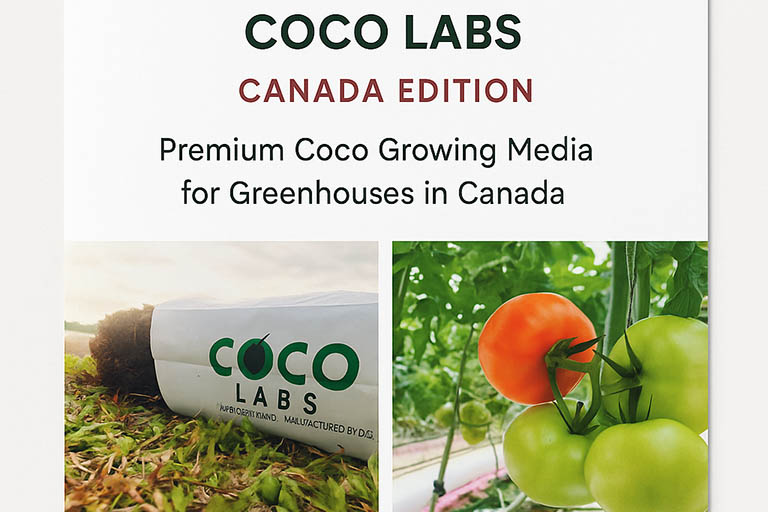
And when it’s shaped into structured grow bags like those from Coco Labs? You’ve got a game-changing combo of form and function.
💡 So… Why Coco Labs Grow Bags Specifically?
Good question. There are plenty of coco coir options out there.
But Coco Labs? They’re not just bag fillers—they’re specialists based in Sri Lanka, a country known for its coconut cultivation. These folks understand the coir lifecycle from husk to harvest. That means quality control, consistency, and performance that greenhouse growers in Canada (and elsewhere) can count on.
Coco Labs’ grow bags are:
- Pre-washed and buffered to remove salts
- Cut to precise dimensions that fit most hydroponic/greenhouse frames
- Available in blends that support long-term tomato growth
- Tested rigorously for pH and EC consistency
Want to see how to use them effectively? Here’s a guide we like:
👉 How to Use Coco Coir Grow Bags
🍂 Tomato Cultivation Isn’t Just About the Plant, It’s About the Medium
Let’s unpack this a bit.
A tomato plant is a bit like an athlete. Sure, talent matters. But without the right shoes, training ground, and diet? That plant’s going nowhere.
That’s what growing medium is—a support system. And when Canadian growers try to balance fluctuating temperatures, variable humidity, and unpredictable light, they need a medium that doesn’t flinch. Coco coir adapts. It’s like giving your plant a smart assistant—it holds nutrients for when they’re needed, releases water on cue, and stays breathable when things get steamy.
🏆 What Makes Coco Labs a Natural Fit for Canadian Growers?
This one’s simple.
Canadian greenhouse growers want reliability. They need a product that doesn’t degrade halfway through the season, doesn’t introduce pests or disease, and plays nice with both high-tech fertigation systems and old-school drip lines.
Coco Labs offers that dependability—but also flexibility. Whether you’re growing tomatoes, cucumbers, or capsicum in southern Ontario or Quebec, these grow bags adapt to your setup. And here’s the subtle brilliance: Coco Labs doesn’t just sell you a product—they partner with you in understanding how to grow better.
Their roots (pun fully intended) go deep into the research. Need proof? Check out the Coconut Research Institute of Sri Lanka, where much of the foundational science behind good coir cultivation begins.
🚀 How to Start With Coco Coir Grow Bags in Canada
Alright, so let’s say you’re convinced. How do you actually make the switch?
Here’s a rough (but realistic) plan:
- Choose your size – Coco Labs offers grow bags tailored for tomato root volume.
- Pre-soak and expand – Hydrate the coir gently with clean water. This fluffs it up.
- Set in place – Whether it’s on greenhouse benches or in troughs, place them where drainage and access are easy.
- Transplant carefully – Tomatoes prefer a warm start. Move your seedlings in during early spring, indoors.
- Dial in fertigation – Coco coir requires careful nutrient scheduling. Start light and increase gradually.
- Observe and tweak – Watch root development, canopy spread, and fruit load.
That’s it. No soil compaction. No fungal surprises. Just a smooth growing experience with less second-guessing.
🎯 Final Thoughts: It’s Not Just Dirt, It’s Strategy
Growing tomato in Canada isn’t for the faint-hearted. But it’s worth it.
And while technology, greenhouses, and climate control are huge players, never underestimate what your tomatoes are actually rooted in. Coco Labs’ grow bags offer the balance, support, and structure your plants crave—especially when grown in unpredictable northern conditions.
At the end of the season, when you’re harvesting bright red clusters with thick skins and rich flavor, you’ll know: you didn’t just grow tomatoes. You outsmarted the climate—and you did it with coco.