1. Introduction of Coconut Substrate – you know the struggle…
Ever had that moment when your tomato seedlings drown in mushy peat? Or that cap-sicum looked limp just when you were hoping for crunch? Here’s the thing—many of us stumble on the same issue: our peat-based mix just doesn’t feel alive, and honestly, neither do our plants.
That’s why gardeners (like you, like me) are turning to a different kind of medium—something that behaves more human, more natural, more alive. This weird-sounding stuff—yes, the one from coconuts—is quietly shifting the game.
2. Meet the coir medium (aka the real deal)
So, what’s the scoop on that coconut substrate? I’ll call it “coir medium” here—casual, friendly, but accurate. Essentially, it’s fibrous husk from the coconut, repurposed as growing media. It’s not peat, but guess what—plants seem to love the airy texture and moisture balance. No guesswork. Just roots doing their thing.
3. Why your tomatoes, capsicum & cukes will thank you (especially in grow bags)
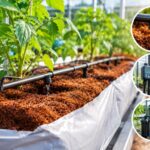
Here’s where things get really interesting. When you use this coir medium in a well-designed grow bag (like those from Coco Labs), you get:
- Better aeration—roots breathe easier, no soggy suffocation.
- Water-holding magic—keeps moisture gentle, not drippy (especially handy if you’re outdoors in Mexico’s midday or sunny Ontario).
- pH doesn’t go nuts—stays nice and stable.
- Less pest drama—you’re skipping peat, which often harbors unwanted microbes.
Want the lowdown on how to use a grow bag with it? Check out how Grow Bags work for your veggies. (See what I did—easy internal link.)
4. How to work with coconut medium—step by step (but in a chatty way)
Let me walk you through it—no jargon-jam, promise:
- Rehydrate the block. It arrives dry, a squat little brick. You give it a good soak—watch it puff up. That moment when it expands? Kind of satisfying (you know that feeling).
- Fluff and fill. Then you open the bag (or container), fluff the fibres—that’s your new workspace.
- Seed or transplant. Drop in your tomato starts, capsicum seedlings, or cukes—you’ve got a soft, supportive cushion.
- Water normally. It will hold water, but let it feel “just right,” like Goldilocks—not too soggy, not too dry.
- Recycle between seasons. Rinse or compost old medium—it’s organic, biodegradable, and doesn’t require fancy disposal.
5. FAQs that might be buzzing in your brain
pH–is it acidic? Nah, it’s generally neutral to slightly sweet-spot (like around 5.8–6.5). Much friendlier than peat-goes-acid-prone.
Can I reuse it? Definitely—rinse lightly, let it dry out. It’ll be good for a few rounds, depending on how you nourish it.
Won’t it flush nutrients too fast? On the contrary, its structure actually holds onto fertilizer better. You’ll need to add nutrients (like all inert media do), but it releases steadily.
6. A little tangent (because we’re chatting)
You know what? My Dutch greenhouse-folk friend, Anja, was skeptical at first—she’d been faithful to peat for years. But one afternoon, after she swapped to coir in her red-bell pepper line, she burst out laughing cuz the peppers were chubbier than ever, and the smell—clean, earthy, almost coconutty! It just stuck—she switched entirely.
Does that mean it’s magic? No—but it means working with nature, and a little bit of wonder, can go a long way.
7. From Sri Lanka to the world
Here’s a fun global twist: Sri Lanka is a major source for coconut fibre-based media, and institutes like the Coconut Research Institute (CRI Sri Lanka) have done loads of studies to make sure it’s safe and effective for agriculture. (You can check them out.)
So, when you’re using “coconut substrate,” you’re tapping into both traditional craftsmanship and modern research—bridging local heritage and worldwide application (whether you’re in Germany, Canada, USA, Mexico or the Netherlands).