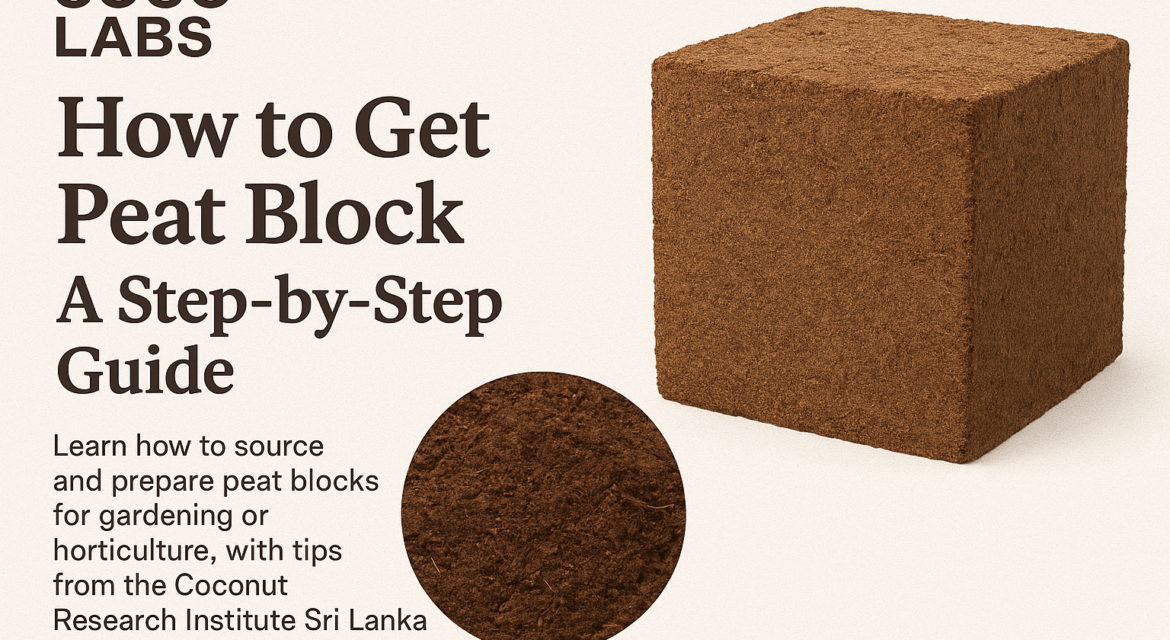
1. So—you typed “how to get peat block”?
Let’s pause. That phrase—“how to get peat block”—is curious, isn’t it? You’re flipping the words around, but I get it: you’re seeking a peat-based block as growing media. Or… maybe you’d be better served asking how to move past peat blocks entirely. Stick with me; this little twist opens up a better path.
2. Why people go for peat blocks in the first place
Peat is traditional. You go to the garden store, there it is—wrapped, dense, squeezable. It seems convenient, familiar. You think, if I just rehydrate it, I’ve got soil right away. Makes sense on the surface, right?
3. But here’s where it tenses up—and maybe makes you wince
Peat extraction isn’t exactly gentle on wetlands—or carbon balance. Then there’s the drying-out hassle; once it dries, it resists rehydration. Plus, its pH drops over time, and the block smells like, well, peat—not exactly fresh. For global growers—say in Germany or Canada—shipping peat adds weight, cost, and that carbon guilt.
4. Here’s a smoother way: coconut coir blocks
Enter coconut fiber blocks—from Coco Labs. Same convenient brick form, easier to hydrate, lightweight, neutral pH. You just add water—it expands, like a sponge coming alive. Works great in those grow bags (see how Grow Bags work here).
I’m not saying it’s perfect—but between a dusty peat brick and a fresh-smelling coir block, the choice isn’t really hard.
5. How to source the right block—peat or coir?
- In the Netherlands: peat has been regulated—so coir is more accessible (and actually cheaper after taxes and fees).
- In Canada/USA: peat still dominates big-box stores, but garden centers are stocking coir more steadily.
- In Mexico: local peat sometimes flows, but demand for sustainable coir is rising fast.
- In Germany: sustainable media is a buzzword—coir blocks labeled “peat-free” are flying off shelves.
Coco Labs Coir
Buying from Coco Labs means you’re getting Sri Lankan-sourced coir, backed by expertise and research (CRI), and delivered light, and—frankly—a bit more ethical.
6. A quick-and-dirty comparison list
Here’s an informal quick-list—nothing fancy, but you and I know lists help:
- Peat block: heavy, dries out unevenly, acidic drift, carbon-intensive shipping.
- Coir block: lighter, easy to rehydrate, near-neutral pH, reused or compostable.
- Price-wise: coir often wins once you factor in shipping/environment.
7. You know that moment when…
I vividly remember a grower down in Mexico. She said, “With the peat, I’d have to soak, then wait—and sometimes a clump stayed dry, messing up uniform watering.” When she switched to coir blocks, her cucumber yields smoothed out, no more weird dry patches, and the whole batch felt consistent. Nothing poetic—just better. And yes, she’s now recommending it to neighbors.
8. Quick Q&A—just like you’d ask it
Is coir cheaper than peat block? Often—especially when factoring in weight for shipping and environmental costs.
Can I blend peat with coir? You can, but if you’re trying to move away from peat—or get consistent texture—it’s worth going full coir.
Will coir affect my fertilizer needs? Not really; it’s inert. You’ll feed plants normally. In fact, it holds onto nutrients gently.
9. Wrap-up with some underside soul
If you’re asking how to get a peat block, maybe you should flip that to how to choose a better block. Between budgets, yields, and environmental goodwill, coir is quietly becoming the go-to—especially with companies like Coco Labs delivering real quality from Sri Lanka (and backed by CRI research).
10. What’s next?
Hold on to that curiosity—you’re about to celebrate World Coconut Day 2025? That blog’s right around the corner (#3). We’ll dig into the special day, why it matters globally and in Sri Lanka, and how you can tie it into your gardening, or promotions if you’re a retailer or home enthusiast.