If you’ve worked with greenhouse crops long enough, you already know one quiet truth — weak growbags cost money. And time. And sometimes a whole crop.
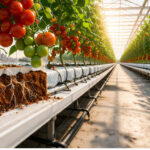
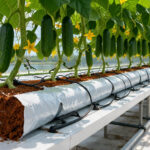
That’s why coco coir growbags durability isn’t a fancy marketing phrase. It’s the backbone of consistent tomato, capsicum, and cucumber production, especially in high-pressure systems across the Netherlands, Canada, Mexico, the USA, and Germany.
Let me explain why this matters more than many growers admit.
When a Growbag Fails, Everything Else Follows
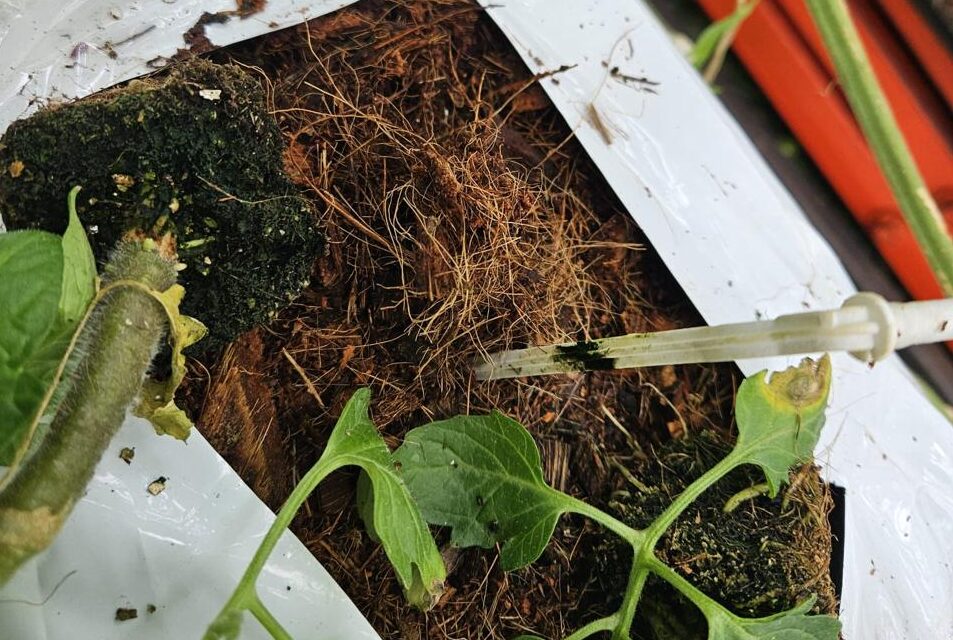
A torn base. Uneven compaction. Slabs collapsing mid-season. Sound familiar?
Durability isn’t only about thickness of plastic. It’s about how the coir inside holds structure under months of irrigation, root pressure, nutrient flow, and temperature shifts.
High-grade coco coir — like the substrates produced in Sri Lanka and used by suppliers such as Coco Labs — tends to maintain fiber integrity longer, which means roots stay aerated and drainage remains stable.
And that stability? It quietly protects yield.
What Makes Some Coco Growbags Last Longer
Here’s the thing. Not all coir is processed the same way.
Durable growbags usually share a few traits:
- Well-washed coir with low residual salts
- Balanced fiber-to-pith ratio
- Strong UV-resistant outer film
- Uniform compression across the slab
The raw material itself comes from coconut husk fibers — commonly called Coir — and the way it’s buffered and aged changes everything.
A rushed batch might look fine on day one. By week twelve, it starts breaking down.
And growers feel that in drainage problems, root stress, and uneven EC pockets.
One Subtle Benefit Nobody Talks About
You know what? Durable growbags also reduce labor.
Less re-bagging. Fewer emergency replacements. Cleaner root zones at crop removal.
That saves hours in a season — and in commercial greenhouses, hours turn into margins.
Growers using structured slabs from guides like this one on how to use coco coir grow bags often report more uniform root mats simply because the bag holds its shape.
Climate Pressure Makes Durability Even More Critical
In cooler zones like the Netherlands or Germany, substrates face slow microbial breakdown but heavy irrigation cycles.
In warmer regions, heat speeds up fiber decay.
Either way, weak bags don’t survive the season.
That’s where sourcing from experienced processors — often linked with research bodies such as the Coconut Research Institute of Sri Lanka — becomes more than a quality badge. It becomes risk control.
A Quick Visual Break (Infographic Suggestion)
Infographic idea to place here:
“Lifecycle of a Coco Growbag – From Planting to Final Harvest”
Sections: hydration → root expansion → peak fruiting → substrate stability check
FAQs — Coco Coir Growbags Durability
1. How long should durable coco coir growbags last?
A full crop cycle of 8–12 months without collapsing or losing drainage structure.
2. Does thicker plastic mean better durability?
Not always. Coir quality and compression matter more than film thickness alone.
3. Can durable growbags be reused?
Sometimes, for short crops — but sanitation and salt buildup must be controlled.
4. Does durability affect yield directly?
Yes. Stable structure supports better root oxygen and nutrient balance.
5. Are Sri Lankan coir products more durable?
Often yes, because Sri Lanka has long-established coir processing and buffering systems.