Find Coco Coir Suppliers in Netherlands: What Dutch Greenhouse Farmers Should Know
📚 Table of Contents
- Introduction: Why It’s Getting Easier to Find Coco Coir Suppliers in Netherlands
- What to Look For in a Reliable Kokos Growing Media Provider
- The Role of Sri Lankan Coco Peat Exporters in Europe’s Greenhouse Boom
- Why Dutch Growers Are Switching to Coco Coir and Kokos Grow Bags
- Comparing Coco Coir with Other Greenhouse Substrates—Is It Worth It?
- How to Choose the Right Coco Coir Supplier for Greenhouses
- Meet Coco Labs: A Trusted Kokos Grow Bags Supplier from Sri Lanka
- How to Import Coco Coir into the Netherlands Without Headaches
- Common Questions When Trying to Find Coco Coir Suppliers in Netherlands
- Need More Insight? Trusted Resources and Next Steps
Introduction: Why It’s Getting Easier to Find Coco Coir Suppliers in Netherlands
Let’s not beat around the bush. If you’re a Dutch grower tired of Rockwool disposal issues and eyeing something cleaner, sustainable, and kinder to your tomatoes—you’re probably already on the hunt to find coco coir suppliers in Netherlands.
And the good news? It’s becoming easier than ever. Thanks to global trade, specialized exporters like Coco Labs, and growing awareness about sustainability, the Netherlands is now firmly on the map when it comes to importing premium kokos grow bags.
What to Look For in a Reliable Kokos Growing Media Provider
Choosing a supplier isn’t just about comparing prices on a spreadsheet. You need someone who understands what greenhouse growers in the Netherlands expect—clean materials, consistent EC levels, and good water-air ratio.
Here’s what to look for:
- Washed, buffered, and sterilized media
- Reliable shipping timelines
- Custom grow bag sizes or loose-fill formats
- Experience in supplying European greenhouses
Want a bonus? Look for a kokos growing media provider who speaks your language—figuratively, and maybe even a little bit literally (met een beetje Nederlands, als het kan).
The Role of Sri Lankan Coco Peat Exporters in Europe’s Greenhouse Boom
Here’s something you might not know: Sri Lanka is one of the world’s top exporters of high-quality coco peat. The Coconut Research Institute of Sri Lanka has been leading research into sustainable processing, ensuring the material sent to Europe is clean, safe, and optimized for agriculture.
So, while you’re standing in your Dutch greenhouse adjusting your drip system, someone 8,000 km away is preparing premium substrate from the husk of a coconut for your capsicums.
Talk about global teamwork, right?
Why Dutch Growers Are Switching to Coco Coir and Kokos Grow Bags
We spoke to tomato and cucumber farmers from Westland to Almere. You know what they said?
“Kokos is gewoon makkelijk.”
(It’s just easier.)
Here’s why:
- Easier waste management than Rockwool
- Better for organic and sustainable certifications
- Great for reusing across multiple crop cycles
- Works beautifully with hydroponic and drip systems
Plus, switching to kokos grow bags from Rockwool feels like going from a flip phone to a smartphone. Same function, but with way more control and flexibility.
Comparing Coco Coir with Other Greenhouse Substrates—Is It Worth It?
Let’s quickly look at how coco coir stacks up:
| Feature | Rockwool | Kokos (Coco Coir) |
|---|---|---|
| Source | Mineral-based | Coconut husk (natural) |
| Disposal Issues | High | Low (biodegradable) |
| Root Oxygenation | Moderate | High |
| Cost (long-term) | Expensive disposal | Cost-effective over cycles |
| Sustainable Credentials | Low | High |
So if your greenhouse goals include efficiency and planet-friendly growing, you already know which way the wind is blowing.
How to Choose the Right Coco Coir Supplier for Greenhouses
Here’s the thing—every supplier will claim they’re the best. But not everyone understands Dutch growers’ obsession with precision (and we say that with respect).
So here’s your quick checklist:
- Do they supply to European clients already?
- Can they send samples?
- Are they compliant with EU phytosanitary regulations?
- Do they buffer the coir to reduce sodium/potassium risks?
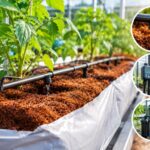
Coco Labs, for example, ships buffered and pre-cut grow bags tailored for tomato, cucumber, and bell pepper crops. Take a look: How to Use Kokos Grow Bags
Meet Coco Labs: A Trusted Kokos Grow Bags Supplier from Sri Lanka
Coco Labs isn’t just another exporter. They specialize in working with greenhouse farms across the Netherlands, Germany, and North America.
Here’s what sets them apart:
- High-volume production with custom branding
- Precision EC and pH adjustment
- Biodegradable packaging on request
- Responsive support in multiple time zones
Want bulk grow bags? Done. Prefer loose-fill? Also done. Want someone to speak your language? Send them a message—you might be surprised.
How to Import Coco Coir into the Netherlands Without Headaches
Worried about logistics? Don’t be. Reputable coco coir suppliers for greenhouses often partner with Dutch freight agents and customs brokers to streamline the process.
Most Dutch growers receive:
- Phytosanitary-certified cargo
- Palletized shipments with COA (Certificate of Analysis)
- Port clearance assistance in Rotterdam or Antwerp
Just make sure to plan at least 3–4 weeks in advance if ordering during peak growing seasons (spring and autumn).
Common Questions When Trying to Find Coco Coir Suppliers in Netherlands
Is it legal to import coco peat into the Netherlands?
Yes, with proper documentation.
Will it affect my organic certification?
Not if it’s clean and properly processed.
Can I trial it first?
Many exporters (like Coco Labs) provide sample grow bags for testing.
What’s the shelf life?
Up to 2 years when stored dry.
Need More Insight? Trusted Resources and Next Steps
Still curious? Here are some resources to keep you moving forward:
- Coco Labs official site
- How to use Kokos Grow Bags
- Coconut Research Institute – Sri Lanka
- Coconut – Wikipedia overview
Or just send an email. You’ll be surprised how fast these guys respond.