5 Best Grow Bags For Greenhouses
Table of Contents
- Introduction
- What Are Grow Bags and Why Use Them?
- Why Coco Coir is the Best Growing Medium
- Best Grow Bags for Tomatoes and Cucumbers
- Why Choose Coco Labs Grow Bags?
- How to Use Grow Bags in Greenhouses
- Tips for Maximizing Yield
- Frequently Asked Questions
Introduction
Greenhouses provide a controlled environment for plants to thrive, but choosing the right growing medium is crucial. Grow bags are a popular choice, offering excellent root aeration, water retention, and ease of use. In this guide, we explore the best grow bags for greenhouses, with a special focus on coco coir growing media bags from Coco Labs.
What Are Grow Bags and Why Use Them?
Grow bags are fabric or plastic containers filled with a growing medium, replacing traditional soil beds. They are widely used in greenhouses due to their:
- Better Root Health – Promotes oxygen flow and prevents root circling.
- Water Efficiency – Prevents overwatering while retaining moisture.
- Space Optimization – Ideal for vertical and small-scale farming.
Why Coco Coir is the Best Growing Medium
Coco coir, derived from coconut husks, is a sustainable alternative to soil. Its key benefits include:
- Excellent water retention and drainage.
- High air porosity for root health.
- pH neutrality, making it ideal for various crops.
- Environmentally friendly and biodegradable.
Learn more about coconuts here.
Best Grow Bags for Tomatoes and Cucumbers
Certain crops, like tomatoes and cucumbers, thrive in coco coir grow bags due to their deep root systems.
Grow Bags for Tomatoes
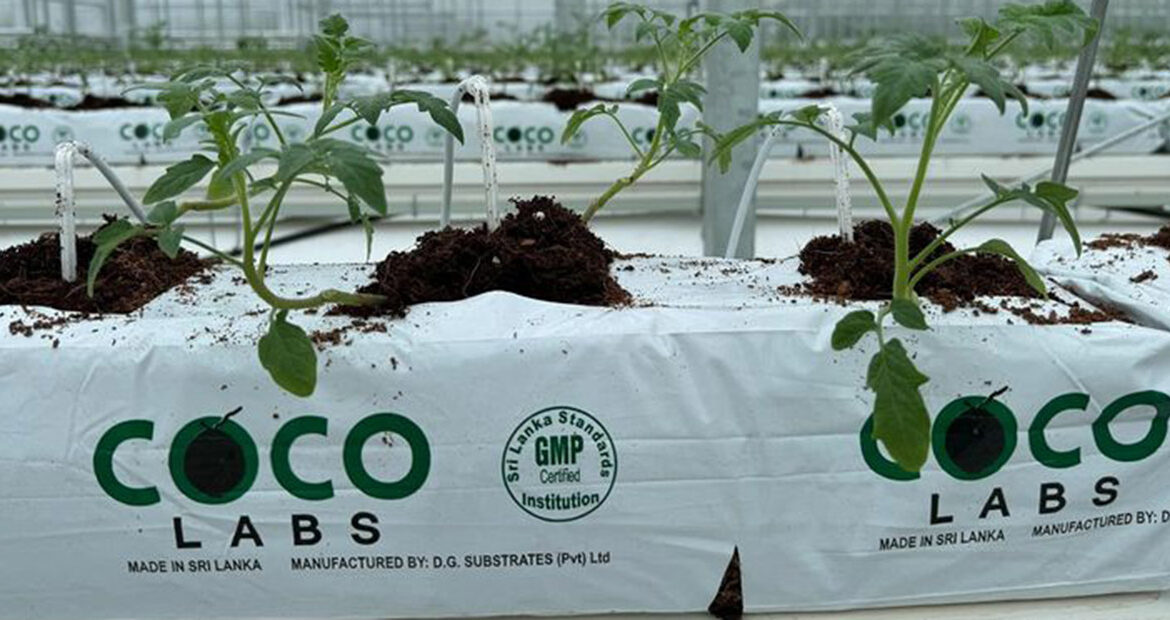
Tomatoes require deep and well-drained grow bags to prevent root rot. Coco Labs’ coco coir grow bags provide the perfect environment by maintaining an ideal moisture-air ratio.
Grow Bags for Cucumbers
Cucumbers prefer moist but well-aerated soil. Coco Labs grow bags ensure optimal root development and high yields, making them an excellent choice for greenhouse cultivation.
Why Choose Coco Labs Grow Bags?
Coco Labs, based in Sri Lanka, specializes in high-quality coco coir growing media bags. Their grow bags offer:
- Premium buffered coco peat for stable pH levels.
- Durable, UV-treated bags for long-term use.
- Customizable sizes for different crops.
Check out Coco Labs here and their coco peat grow bags here.
How to Use Grow Bags in Greenhouses
Using grow bags in greenhouses is simple:
- Choose the right bag size – Consider the plant’s root depth.
- Prepare the coco coir – Hydrate and loosen before planting.
- Plant the seedlings – Ensure adequate spacing.
- Set up irrigation – Drip irrigation works best.
- Monitor nutrient levels – Regularly check pH and EC levels.
Tips for Maximizing Yield
- Rotate crops to prevent nutrient depletion.
- Use organic fertilizers to enhance plant health.
- Install proper ventilation to avoid excess humidity.
- Maintain consistent watering for optimal growth.
Frequently Asked Questions
How long do coco coir grow bags last?
Coco coir grow bags typically last 2-3 growing seasons, depending on usage and maintenance.
Can I reuse coco coir grow bags?
Yes! Simply flush and sterilize the coco coir to remove salts and pathogens before reuse.
Are coco coir grow bags suitable for all greenhouse crops?
Absolutely! They work well for tomatoes, cucumbers, peppers, and leafy greens.
Choosing the best grow bags for greenhouses can significantly impact your yield. Coco Labs grow bags, made from high-quality coco coir, provide the best environment for tomatoes, cucumbers, and other crops. Explore their range here and upgrade your greenhouse growing today!